Perched on a dramatic plateau in the Vindhya range, Mandu is often dubbed the "City of Joy." While it remains a captivating heritage destination year-round, experienced travellers know a powerful secret: Mandu during the monsoon season is an entirely different, incredibly magical world.
The Transformation of the Plateau
Unlike most heritage destinations in India that are best visited during the dry, cool winter months, Mandu truly awakens when the rains arrive in July. The plateau transforms into a landscape of extraordinary lushness. Waterfalls cascade down the ancient fort walls, the artificial lakes fill to the brim, and the entire 45-square-kilometre fort complex turns a vivid, electric green against dramatic, brooding monsoon skies.
The ancient ruins gain a romantic, ethereal quality in the mist and rain. It is a niche travel experience that is rapidly gaining popularity among photographers, couples, and heritage enthusiasts who want something beyond the conventional tourist trail.
Jahaz Mahal: The Ship Palace
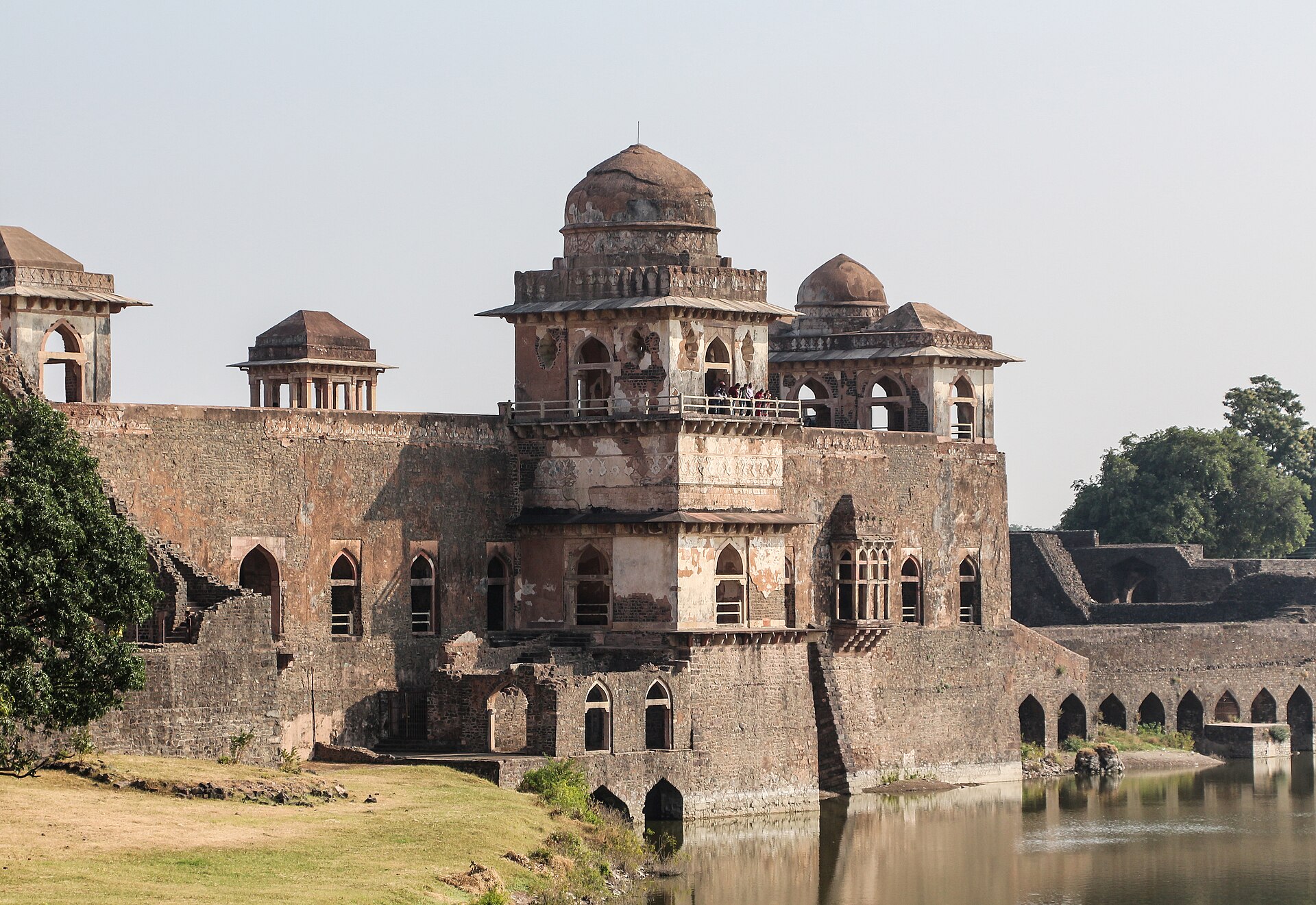
The crown jewel of Mandu is the Jahaz Mahal (Ship Palace). Built between two artificial lakes—Kapur Talao and Munj Talao—the palace was ingeniously designed to resemble a ship floating on water. During the monsoon, when these lakes overflow with fresh rainwater, the illusion is complete. Standing on the upper terraces of Jahaz Mahal while the monsoon winds sweep across the plateau is an unforgettable experience.
Nearby, the Hindola Mahal (Swinging Palace) with its distinctive sloping walls also takes on a mysterious aura during the monsoon mists. Hiring a local guide or using an audio guide is highly recommended to grasp the historical context of these magnificent structures.
The Legend of Baz Bahadur and Rani Roopmati
Mandu's greatest draw goes beyond its architecture—it is rooted in legend. The city is defined by the romance of Sultan Baz Bahadur, the last independent ruler of Malwa, and Rani Roopmati, a beautiful Hindu singer and poet.
According to legend, Roopmati agreed to the Sultan's proposal only on the condition that she could see her beloved, sacred Narmada River every single day from her palace. In response, Baz Bahadur built the Rani Roopmati Pavilion on the highest crest of the plateau. Today, the views from this pavilion across the monsoon valley are breathtaking. Visiting the pavilion at sunrise or sunset—especially when the monsoon clouds break to let the golden light through—is an absolute must.
How to Reach Mandu
Getting to Mandu is relatively straightforward, and the journey itself is scenic during the rainy season.
- By Air: The nearest airport is Devi Ahilya Bai Holkar Airport in Indore (IDR), approximately 98-100 km away. A private taxi from the airport takes about 2 hours.
- By Road: The drive from Indore to Mandu is via a well-surfaced state highway. It is also accessible from Dhar (around 35 km away). State buses and private taxis are readily available.
- By Rail: There is no direct rail access to Mandu. The nearest major station is Indore Junction, from where a taxi is the standard approach.
Planning Your Trip
While the monsoon (July to September) offers the most atmospheric and extraordinary experience, be prepared for occasional travel disruptions due to heavy rains. If you prefer to avoid the rain completely, October to March offers ideal weather where all monuments are comfortably accessible.
We recommend allowing a full day for Mandu. The monuments are spread across the vast plateau, and rushing through them will rob you of the area's tranquil charm. If you are planning an extended trip, consider our Heritage Malwa Tour which expertly combines the bustling food culture of Indore with the romantic ruins of Mandu.
The story of Baz Bahadur and Rani Roopmati's love echoes through every arch and ruin of the city. Discover the magic of Mandu with M.P Events & Tours this monsoon season.