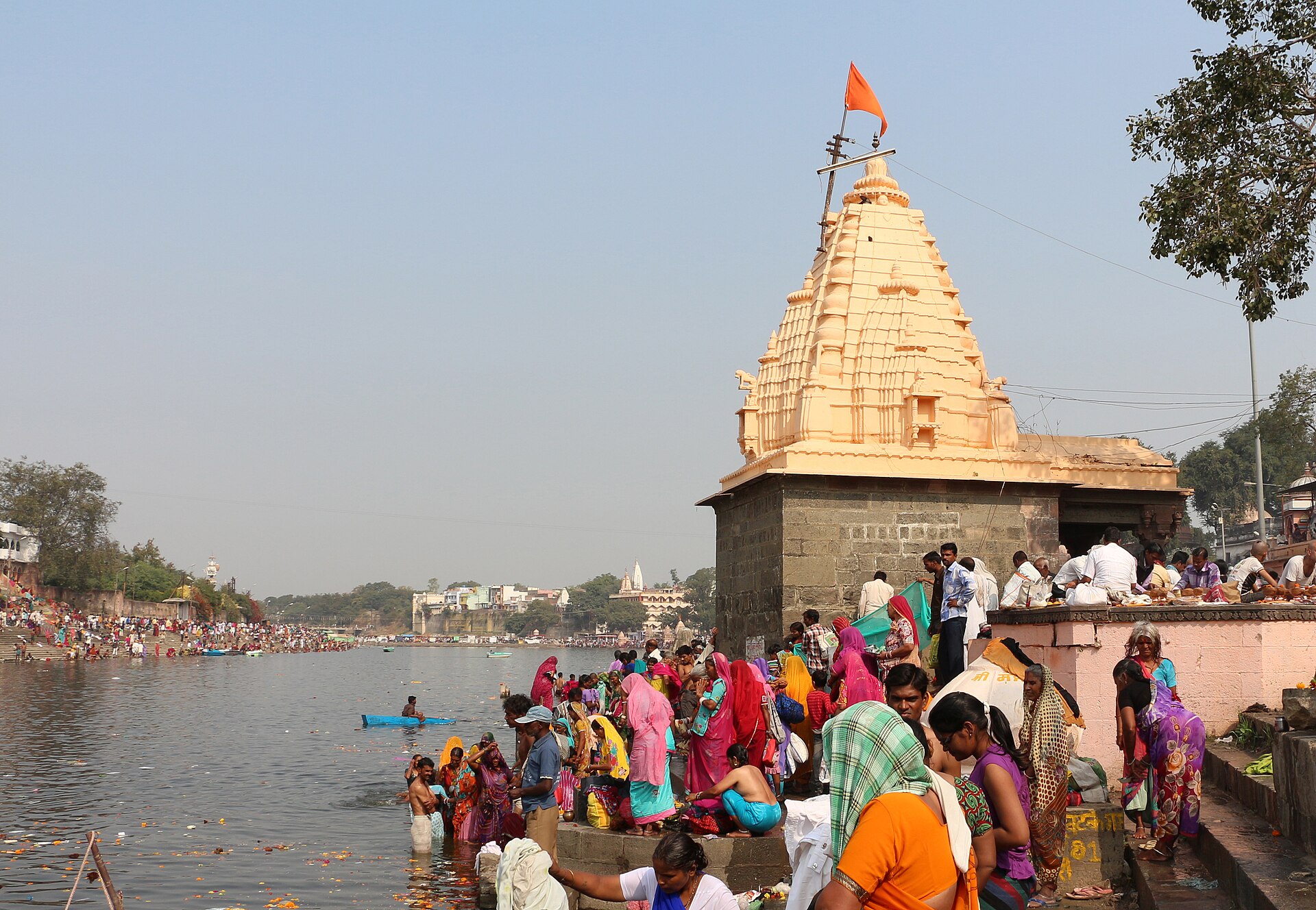
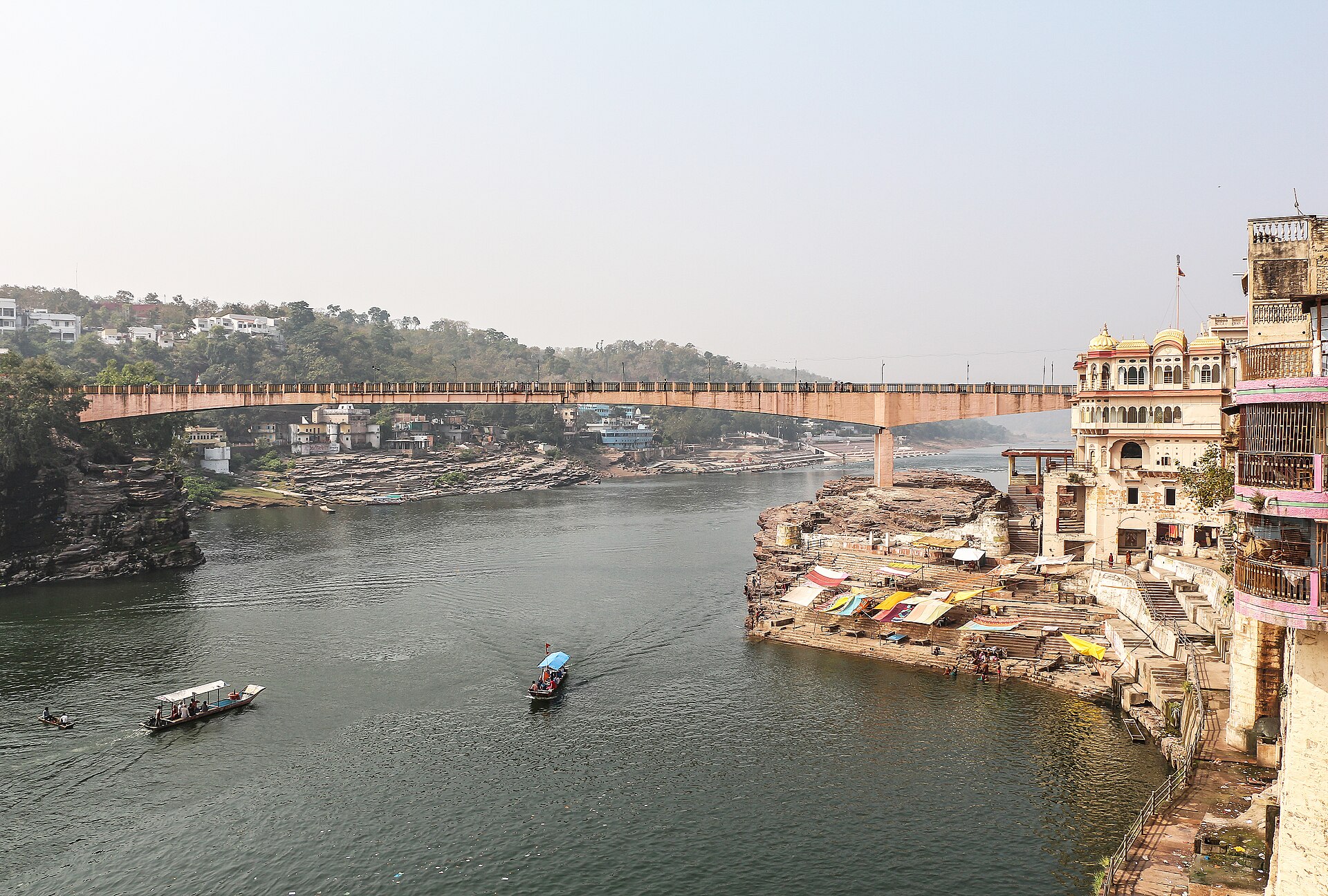
Mahakaleshwar temple spires rising above the Kshipra River ghats at golden hour, Ujjain
Madhya Pradesh · Sacred City

Ujjain

The Sacred City of Mahakal — one of India's seven holy cities (Saptapuri), home to the Mahakaleshwar Jyotirlinga, the Kshipra River ghats, and the world-famous Bhasma Aarti.

DistrictUjjain, Madhya Pradesh
Best TimeOctober to March
Suggested Stay2 nights / 3 days
From Indore~55 km · ~1 to 1.5 hrs
Ideal ForPilgrims, Families, Groups
About Ujjain

The Eternal City of Lord Shiva

Ujjain is one of India's seven sacred cities — the Saptapuri — and one of the oldest continuously inhabited cities on earth. It sits on the eastern bank of the Kshipra River in the Malwa region of western Madhya Pradesh.

The city is revered as the earthly abode of Lord Shiva in his form as Mahakal — the Lord of Time — and draws millions of devotees every year to the Mahakaleshwar Jyotirlinga, one of the twelve holiest Shiva shrines in India.

Beyond its spiritual significance, Ujjain carries profound historical weight as an ancient seat of learning, astronomy and royal power. The city's observatory, the Vedh Shala (built by Maharaja Jai Singh II), once served as India's prime meridian — effectively its Greenwich.

For the most devout pilgrims, Ujjain is the centrepiece of the Char Dham pilgrimage circuit of Madhya Pradesh, often combined with nearby Omkareshwar.
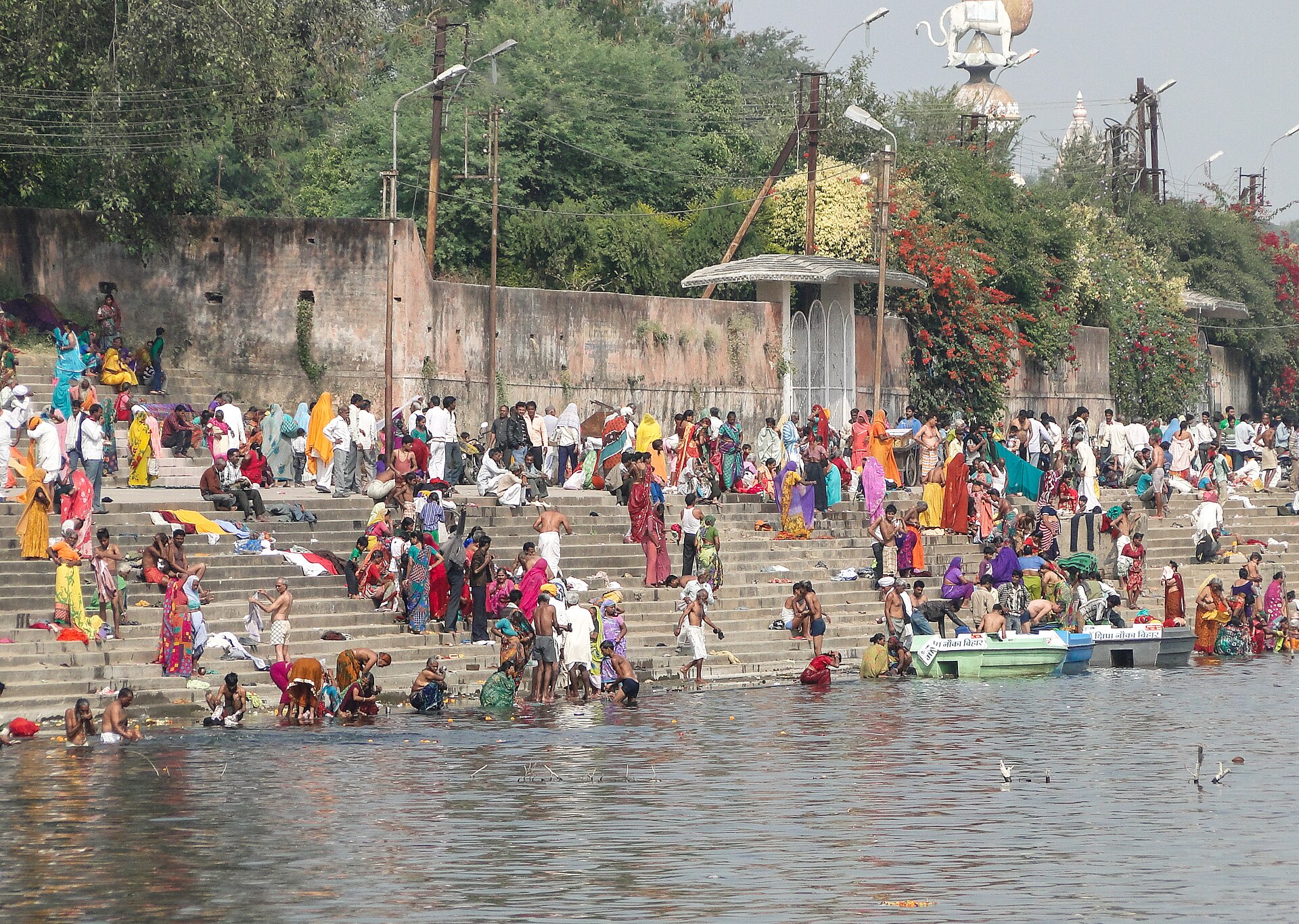
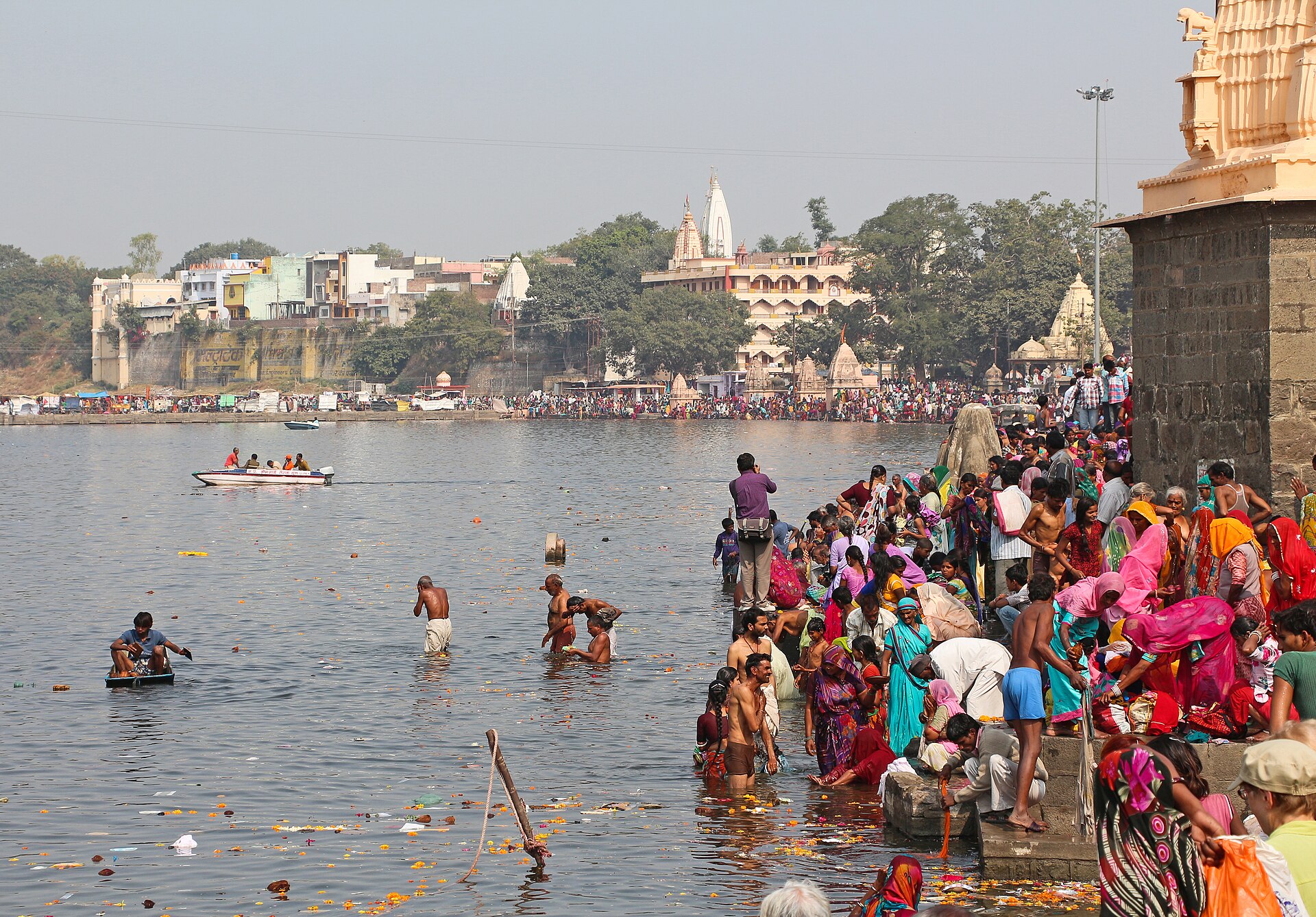
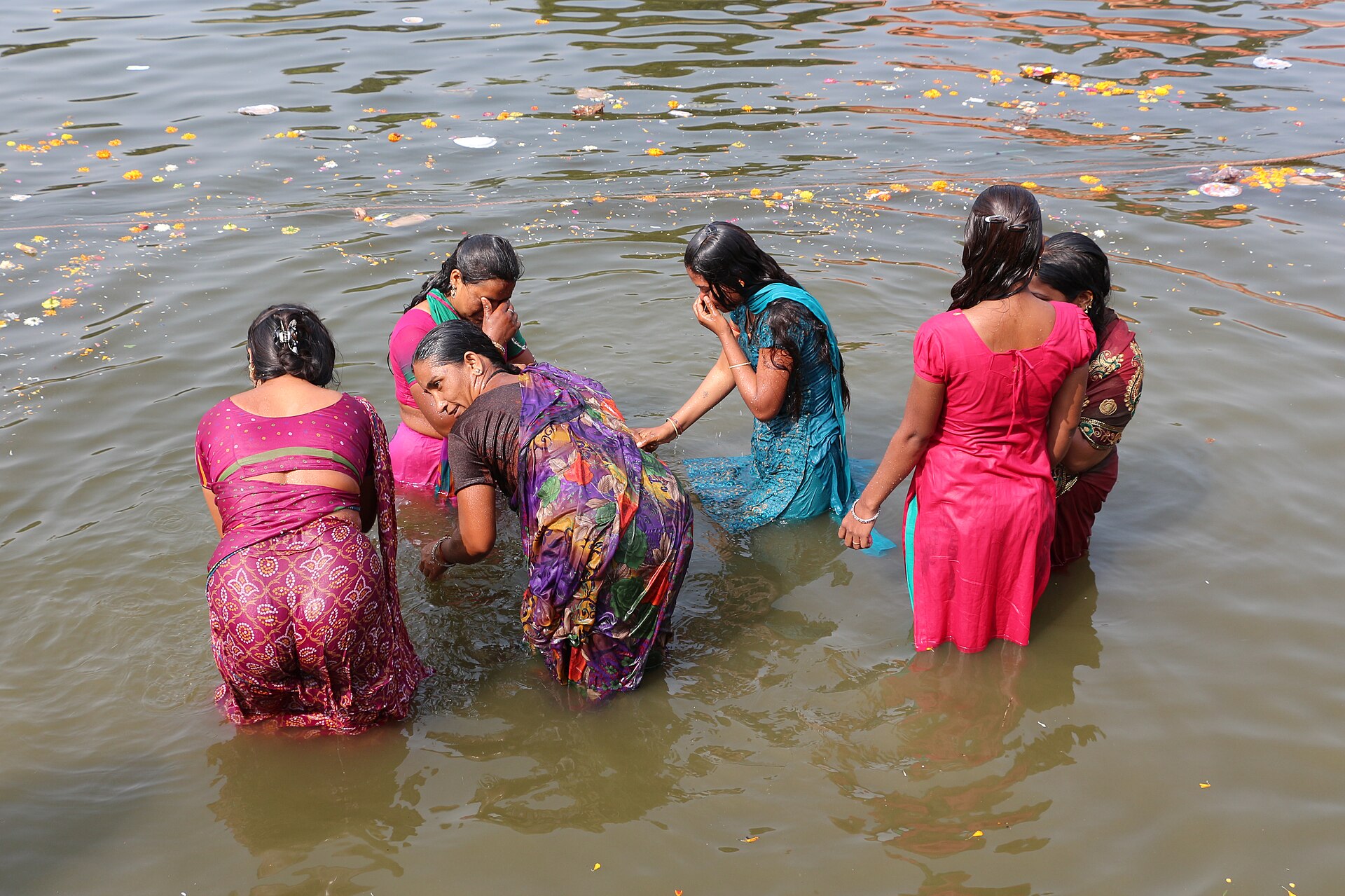
Ram Ghat at Ujjain with devotees taking a holy dip in the Kshipra River at dawn
Key Attractions

Places to Visit in Ujjain

Ujjain's most important temples, ghats and heritage sites — all within the compact holy city.

Mahakal Lok Corridor

A 900+ metre spiritual promenade surrounding Rudrasagar Lake, featuring 108 ornately sculpted pillars, large murals depicting Shiva's stories, and grand statues. Recently inaugurated and now one of the most photographed heritage spaces in Madhya Pradesh.

Ram Ghat & Kshipra River

The primary ghat of Ujjain — the central venue for ritual bathing during Simhastha Kumbh and daily aarti. The Kshipra is considered among Hinduism's most sacred rivers. Evening aarti at Ram Ghat is a serene and moving experience.

Kal Bhairav Temple

A significant Shaivite temple dedicated to Bhairav, a fierce form of Shiva. The deity is worshipped through unique offerings including liquids given as prasad — a practice unlike most Hindu temples. A deeply atmospheric and ancient pilgrimage site within the city.

Harsiddhi Mata Temple

One of the 51 Shakti Peethas and a prime site during Navratri. The temple is especially dramatic at night and during festivals — famous for its massive oil lamp towers (deepstambhas) that are lit simultaneously.

Vedh Shala (Observatory)

Built by Maharaja Jai Singh II in the 18th century. Ujjain's historical prime meridian once served as the reference for Indian time — effectively its Greenwich. The observatory instruments remain largely intact and provide fascinating insight into ancient Indian astronomy.

Sandipani Ashram

Mythologically linked to the education of Lord Krishna, Balarama and Sudama. A peaceful site of ancient learning, now preserved as a pilgrimage stop for Krishna devotees visiting Ujjain.

Kaliadeh Palace

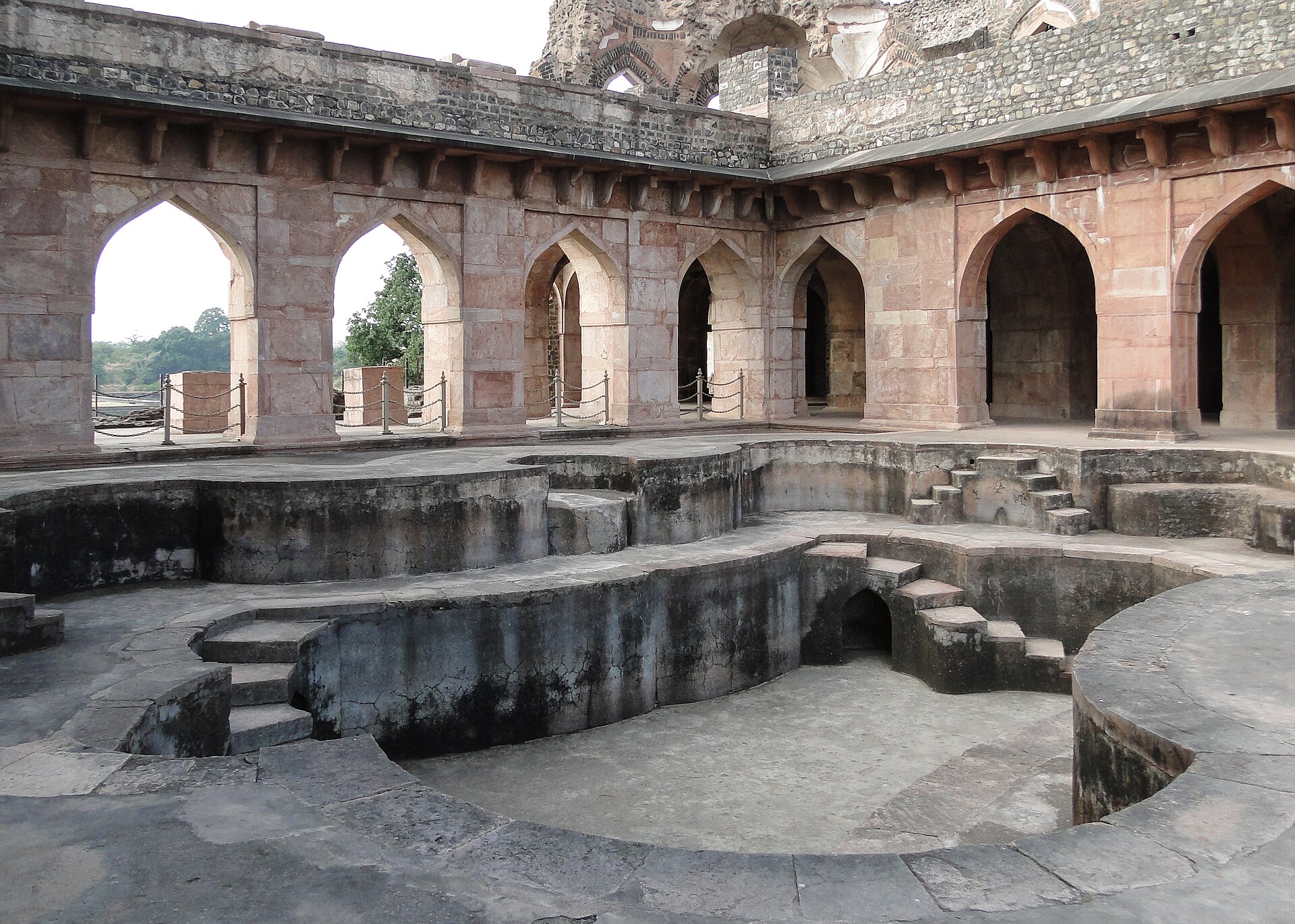
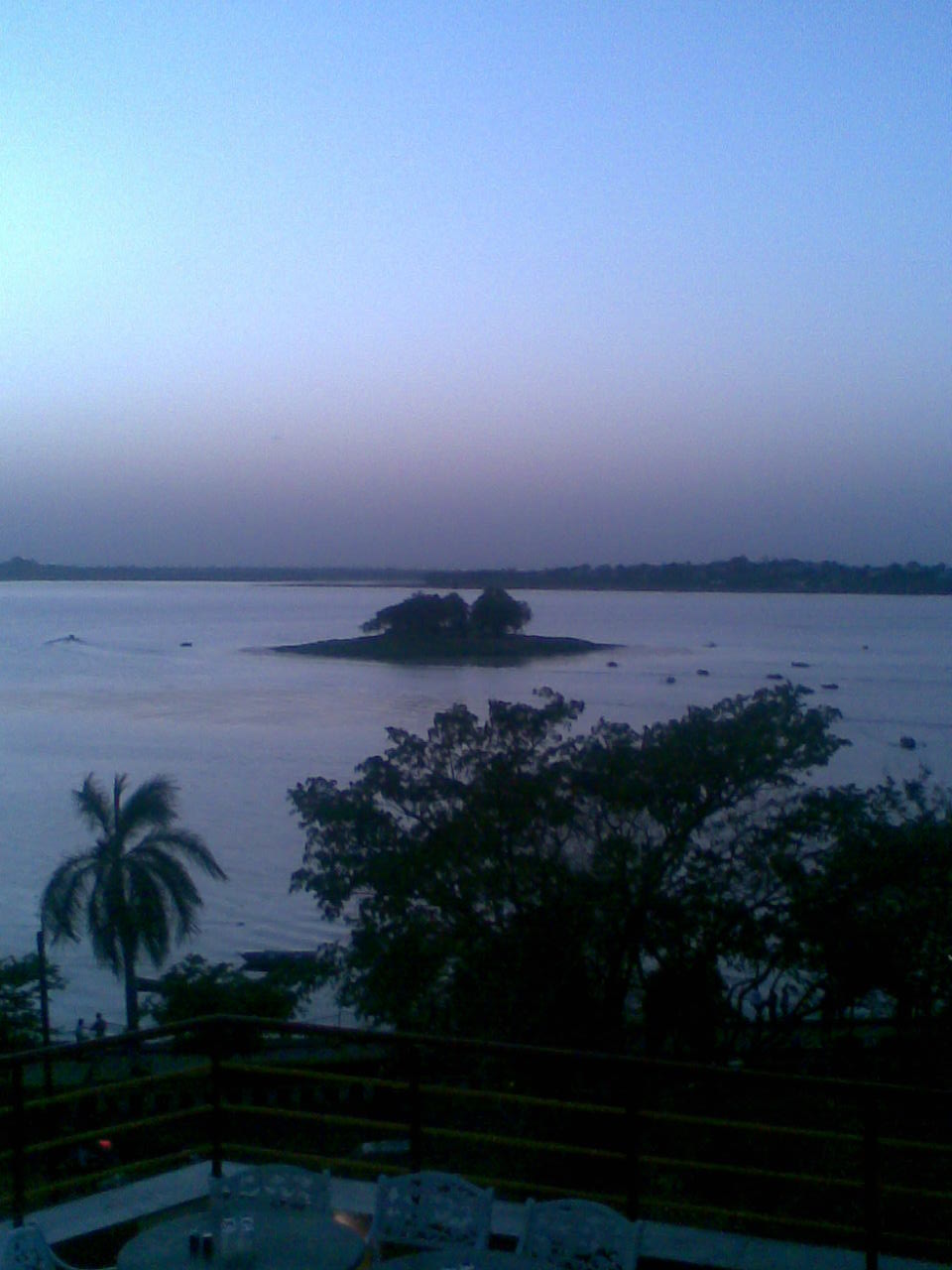
A 15th-century royal pleasure palace built on an island in the Kshipra, featuring Mughal-era architecture with central dome pavilions. The palace served as a royal retreat for the Malwa Sultanate and later the Mughals.

Chintaman Ganesh Temple

One of the swayambhu (self-manifested) Ganesha shrines in India, situated across the Kshipra River. The deity fulfils wishes and devotees visit before beginning pilgrimage to Mahakaleshwar.

Visual Tour
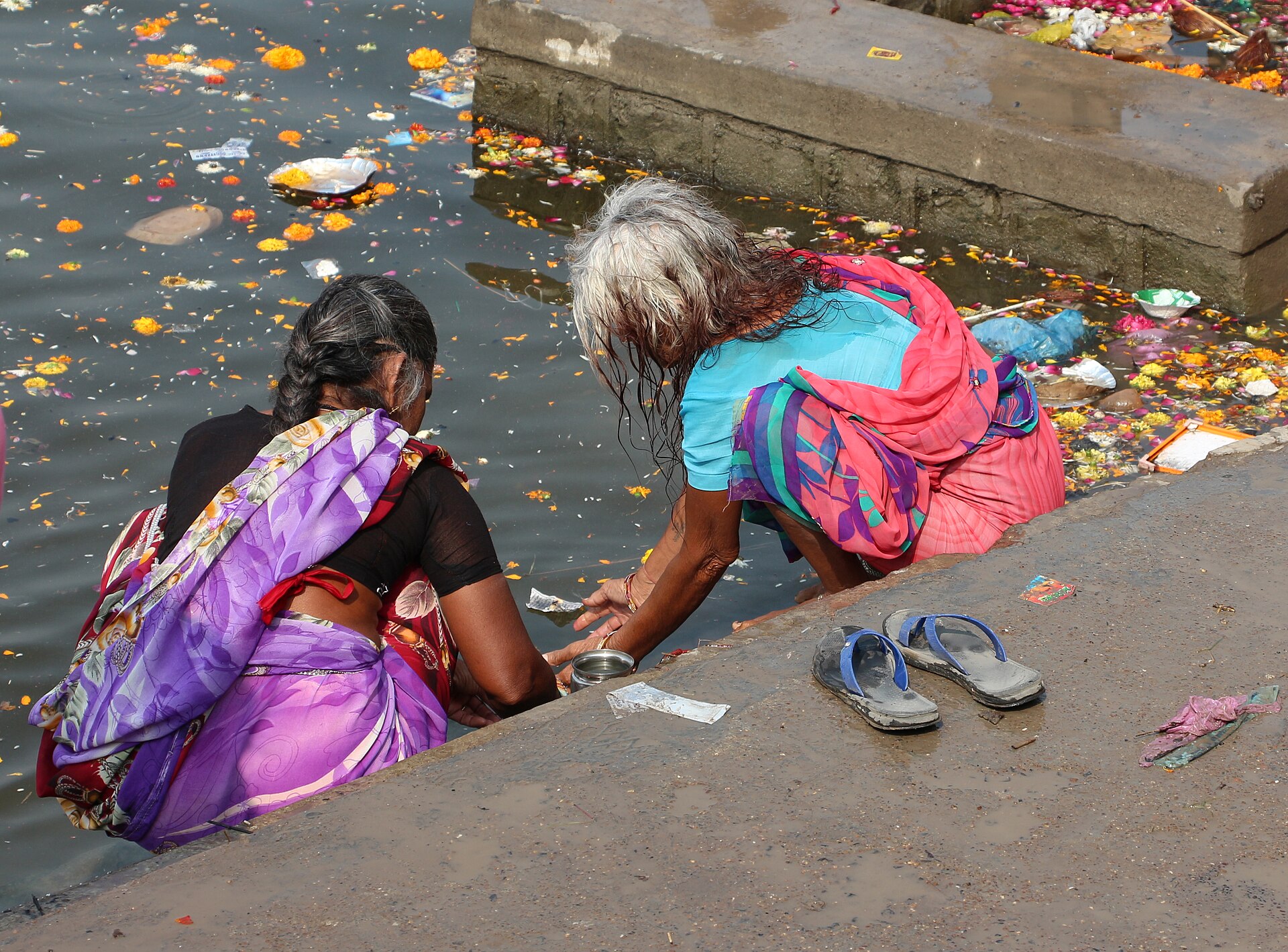
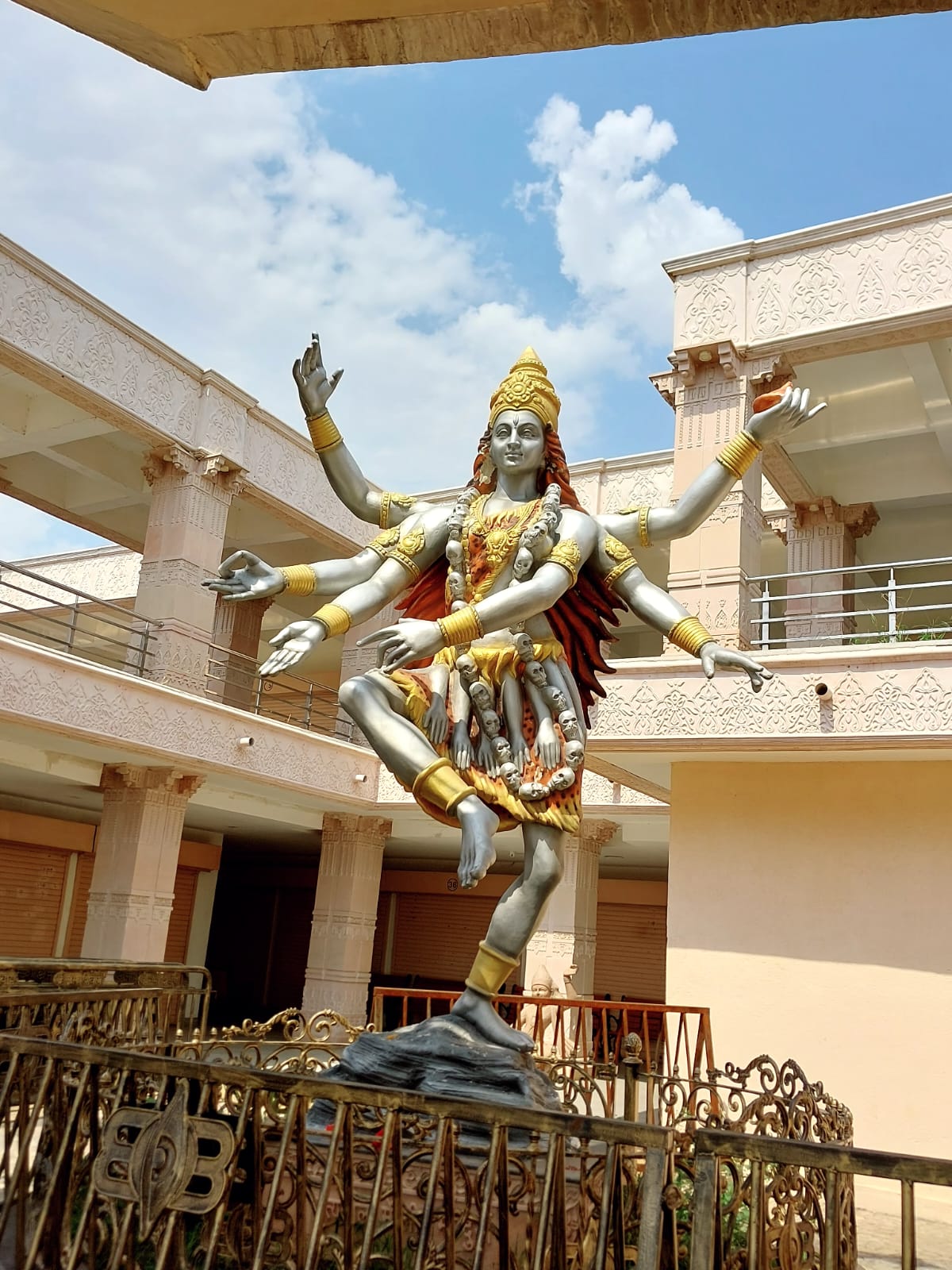
Mahakaleshwar Temple Architecture Evening Aarti at Ram Ghat Devotees offering lamps in the Kshipra river Mahakal Lok corridor at night
Simhastha Kumbh Mela

The World's Largest Spiritual Gathering

Ujjain hosts the Simhastha Kumbh Mela every 12 years, when Jupiter enters the Leo constellation. According to mythology, drops of divine nectar (amrit) fell on Ujjain's banks during the cosmic churning of the ocean — making it among India's four Kumbh cities alongside Prayagraj, Haridwar and Nashik.

The last Simhastha was held in 2016. The next is expected in 2028. Accommodation and travel arrangements for Simhastha require planning many months in advance.

2028

Next Simhastha Kumbh Mela

Held every 12 years in Ujjain

Travel Information

Planning Your Ujjain Visit

Best Time to Visit

  • Oct – Mar: Cool and ideal (10–25°C). Best for temples and outdoor sightseeing.
  • Jul – Sep: Monsoon; lush atmosphere but possible travel disruptions.
  • Apr – Jun: Extreme heat (up to 45°C). Avoid unless attending a specific festival.

Mahashivaratri (Feb/March) — Peak spiritual season. Advance booking essential at least 2 months prior.

How to Reach Ujjain

  • ✈ By Air Devi Ahilya Bai Holkar International Airport, Indore (IDR) — approximately 53–55 km from Ujjain. Travel time: 1 to 1.5 hours by taxi or cab.
  • By Rail Ujjain Junction (UJN) — direct trains from Mumbai, Delhi, Hyderabad and Bengaluru. Western Railway zone with regular Intercity and Express services.
  • By Road Ujjain lies on NH 3 (Agra–Mumbai highway). Regular buses and taxis available from Indore (~55 km), Bhopal (~185 km) and Ratlam (~125 km).

Temple Visit Tips

  • Dress modestly — shoulders and knees covered; traditional attire is preferred at Mahakaleshwar
  • Remove footwear before entering all temples; cloak rooms are available
  • Photography is restricted inside the main sanctum of Mahakaleshwar
  • Book Bhasma Aarti slots on the official temple portal weeks in advance
  • Avoid peak crowd times on Mondays, festival days and Mahashivaratri without prior darshan booking
  • Carry a small bag only; security checkpoints are thorough
FAQ

Ujjain Travel — Common Questions

  • What is the significance of Ujjain's Mahakaleshwar Jyotirlinga?

    Mahakaleshwar is one of the 12 Jyotirlingas — the holiest Shiva shrines in Hinduism. It is the only south-facing (Dakshinamukhi) Jyotirlinga among the twelve, and is believed to be swayambhu (self-manifested rather than consecrated). The presiding deity, Lord Mahakal, is venerated as the Lord of Time and Death — making Ujjain a city of profound spiritual power for Shaivite devotees.

  • How do I book for Bhasma Aarti in Ujjain?

    Bhasma Aarti booking is done through the official Shri Mahakaleshwar Temple website (shrimahakaleshwar.com). Slots open at specific intervals and fill quickly — particularly for weekends, Mondays, Mahashivaratri and other festival dates. We strongly recommend booking at least 3–4 weeks in advance for regular days and 2–3 months in advance for major festivals. We assist our travellers with the booking process.

  • Can I visit both Ujjain and Omkareshwar in one trip?

    Yes — combining Ujjain and Omkareshwar is the most popular pilgrimage itinerary we arrange. The two Jyotirlinga destinations are approximately 80 km apart and can be covered comfortably in a 2-night/3-day trip from Indore. We arrange transport, accommodation and darshan assistance for both temples as a single package.

  • When is the best time to visit Ujjain?

    October to March is the ideal season — temperatures are comfortable (10–25°C) for temple visits and outdoor sightseeing. Mahashivaratri (February/March) is the peak spiritual season and draws enormous crowds. If you plan to visit during Mahashivaratri, book accommodation and travel at least 6–8 weeks in advance.

  • How do M.P Events & Tours arrange an Ujjain pilgrimage trip?

    We arrange transport from your starting point (typically Indore), accommodation in Ujjain, Bhasma Aarti booking assistance, sightseeing at all key temples and ghats, and onward travel if you are combining with Omkareshwar or another destination. Submit a quote request with your group size and dates and we will send you a detailed plan.

Plan Your Ujjain Pilgrimage

We arrange personalised Ujjain trips — Bhasma Aarti booking, accommodation, transport and sightseeing. Get a quote today.